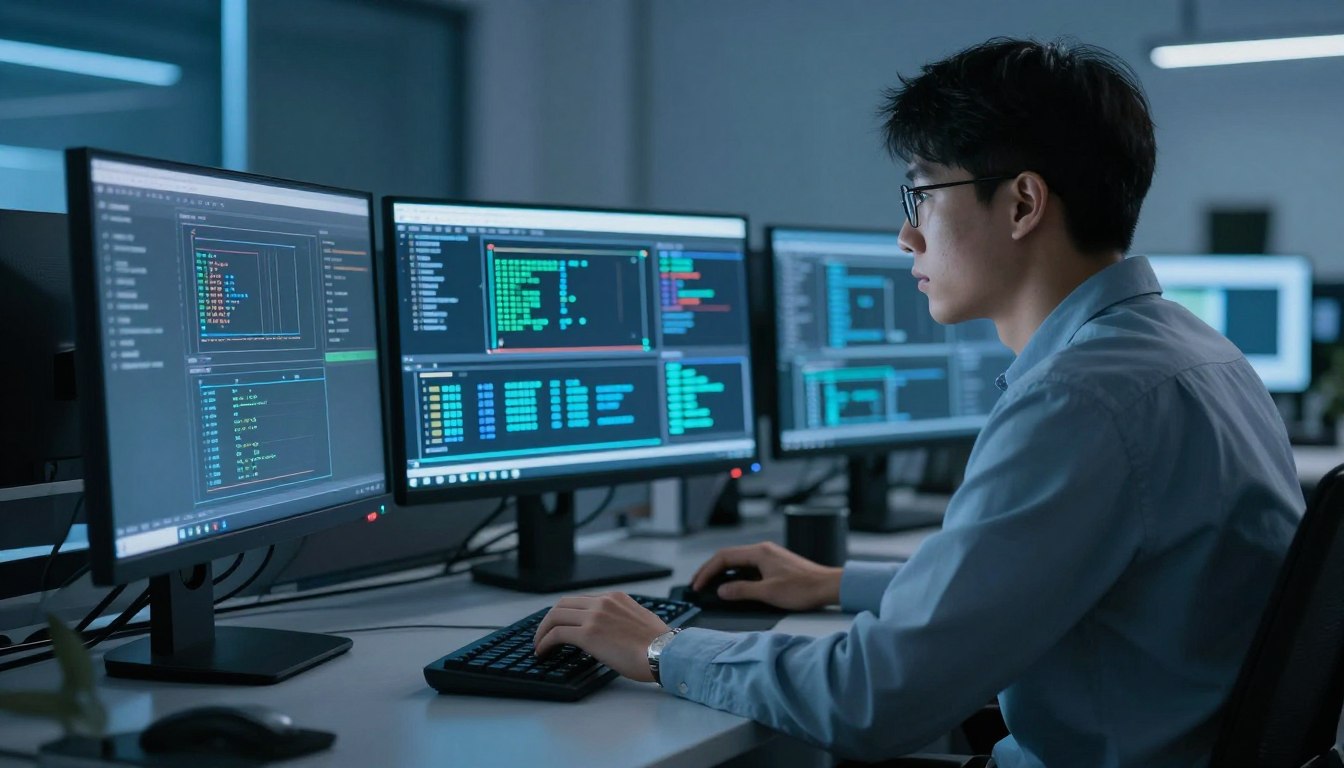
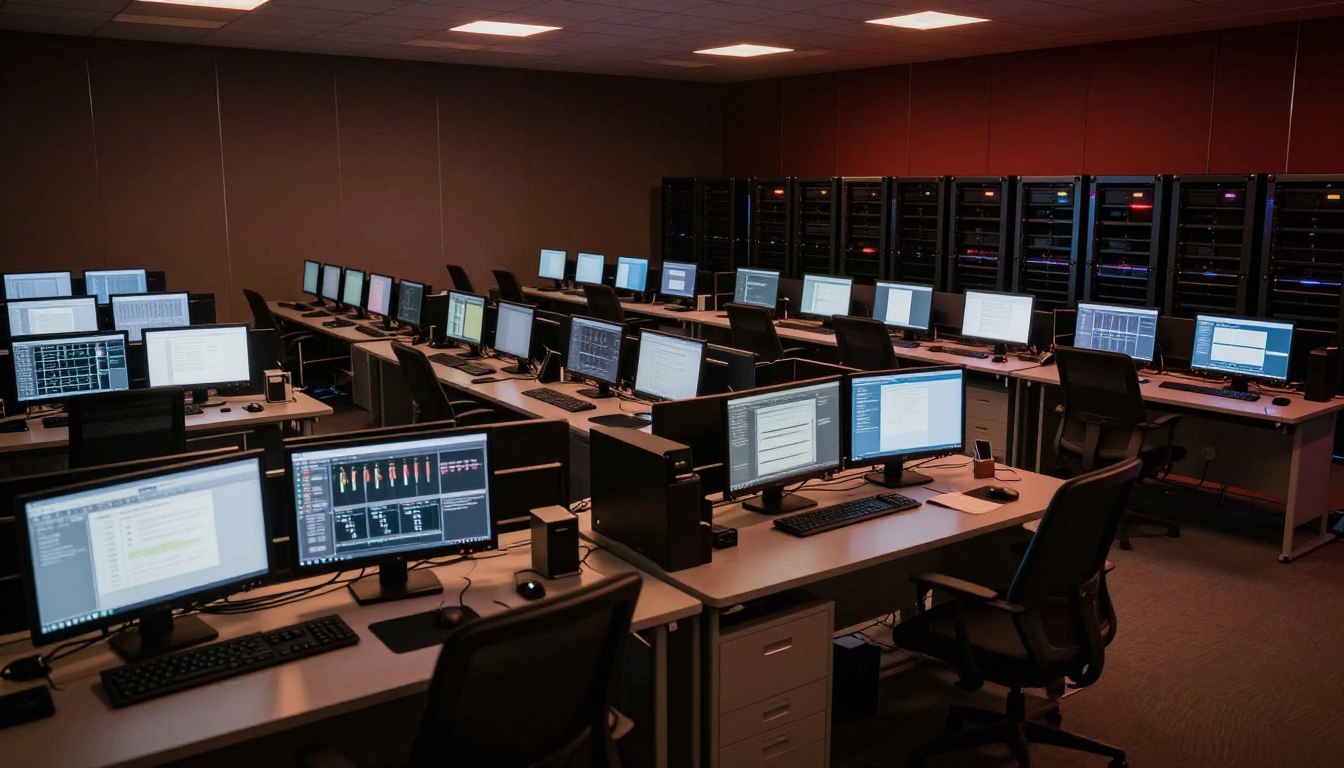
What Is a Deepfake Voice Scam and Why Are Office Teams Targeted?
Deepfake voice technology makes audio deception an accessible weapon against organizational trust and routine business operations.

What Is a Deepfake Voice Scam and Why Are Office Teams Targeted?
A deepfake voice scam uses artificial intelligence to generate realistic imitations of genuine human speech, allowing fraudsters to deceive staff and gain unauthorized access to company funds, accounts, and confidential data. These targeted telephone attacks succeed by pairing synthetic audio with psychological pressure, turning familiar speech into a weapon against standard business operations.
Protection against synthetic speech requires strict adherence to internal communication rules and secondary approval channels rather than relying on auditory recognition alone. Organizational safety depends on treating inbound telephone requests as unverified until confirmed through established protocols.
How Artificial Intelligence Clones Human Speech
Voice cloning technology analyzes recorded speech samples to map an individual's vocal pitch, cadence, accent, and breathing patterns. Criminals collect these audio samples from corporate podcasts, recorded presentations, shareholder broadcasts, and social media videos published online. Once trained on these samples, specialized software generates natural-sounding sentences on demand from typed text or real-time voice translation.
“A familiar voice on an inbound call provides no guarantee of authenticity, as synthetic audio software reproduces specific vocal characteristics from brief online samples.“
While cloned speech sounds familiar and convincing, audio output is never definitive proof of identity. Mathematical speech synthesis recreates tone and vocal inflection with high fidelity, yet the resulting sound remains an artificial simulation rather than the actual person on the telephone line.
Structural Workplace Pressures Scammers Exploit
Office teams handle valuable financial transactions and proprietary information daily, making them lucrative targets for social engineering. Criminal networks study operational workflows to exploit predictable workplace dynamics, especially where staff handle high volumes of urgent messages across dispersed locations.
Corporate Hierarchy
Employees naturally want to assist senior leaders and executive directors. Fraudsters exploit this dynamic by simulating executive voices, making staff hesitant to question unusual directives or request confirmation.
Distributed Workplaces
Remote and hybrid arrangements reduce spontaneous in-person contact across departments. When team members cannot walk to an adjacent desk to check a request, synthetic calls face less immediate scrutiny.
Operational Speed
Demanding schedules push staff to process invoices, wire transfers, and credential requests rapidly. Scammers introduce artificial time pressure to prompt quick action before procedural checks occur.
Typical Attack Scenarios in Business Environments
Attackers craft specific narratives designed to trigger compliance without activating normal suspicion. The telephone call or voice message often arrives during periods of organizational distraction, such as end-of-quarter reviews, late Friday afternoons, or public corporate events.
- Executive wire transfers: A simulated chief executive calls an accounting team member to request an immediate, off-ledger supplier payment for an urgent acquisition.
- Vendor bank modifications: An impostor impersonates a known supplier representative, citing an urgent banking audit to alter payment settlement details before a pending transaction.
- Credential extraction: A caller mimicking internal technical support contacts an employee to request multi-factor authentication tokens or remote system access passwords.
- Sensitive data delivery: A synthetic voice matching a department director directs an administrative worker to email confidential payroll records or customer lists immediately.
Practical Prevention Protocols for Organizations
Defending against impersonation attacks requires structured operational rules rather than individual auditory judgment. Organizations reduce vulnerability by embedding independent checks directly into daily communication and payment routines.
| Protocol | Security Measure |
|---|---|
| Dual Approval Fiscal Control | Mandate two independent sign-offs on outbound payments. |
| Out of Band Callback Identity Check | Confirm requests using pre-registered numbers from directories. |
| Role Training Staff Awareness | Educate finance and administrative staff on synthetic audio risks. |
| Access Controls System Defense | Enforce phishing-resistant physical keys for sensitive system logins. |
Frequently Asked Questions
Can artificial intelligence clone a voice from a short recording?
Modern synthesis tools generate a recognizable vocal likeness using brief audio excerpts extracted from public videos, interviews, or voice notes. Longer recordings produce greater acoustic accuracy, but short samples suffice to mimic tone and cadence.
Why is a familiar voice insufficient proof of identity?
Software easily replicates vocal timbre, accent, and pitch from publicly accessible corporate audio materials. True identity confirmation requires independent verification through an alternate, pre-established internal channel.
What is the safest immediate action during an unexpected urgent call?
The recipient should end the call politely and disconnect the line immediately. Staff should then contact the purported caller using an internal corporate directory number rather than any phone number provided during the conversation.